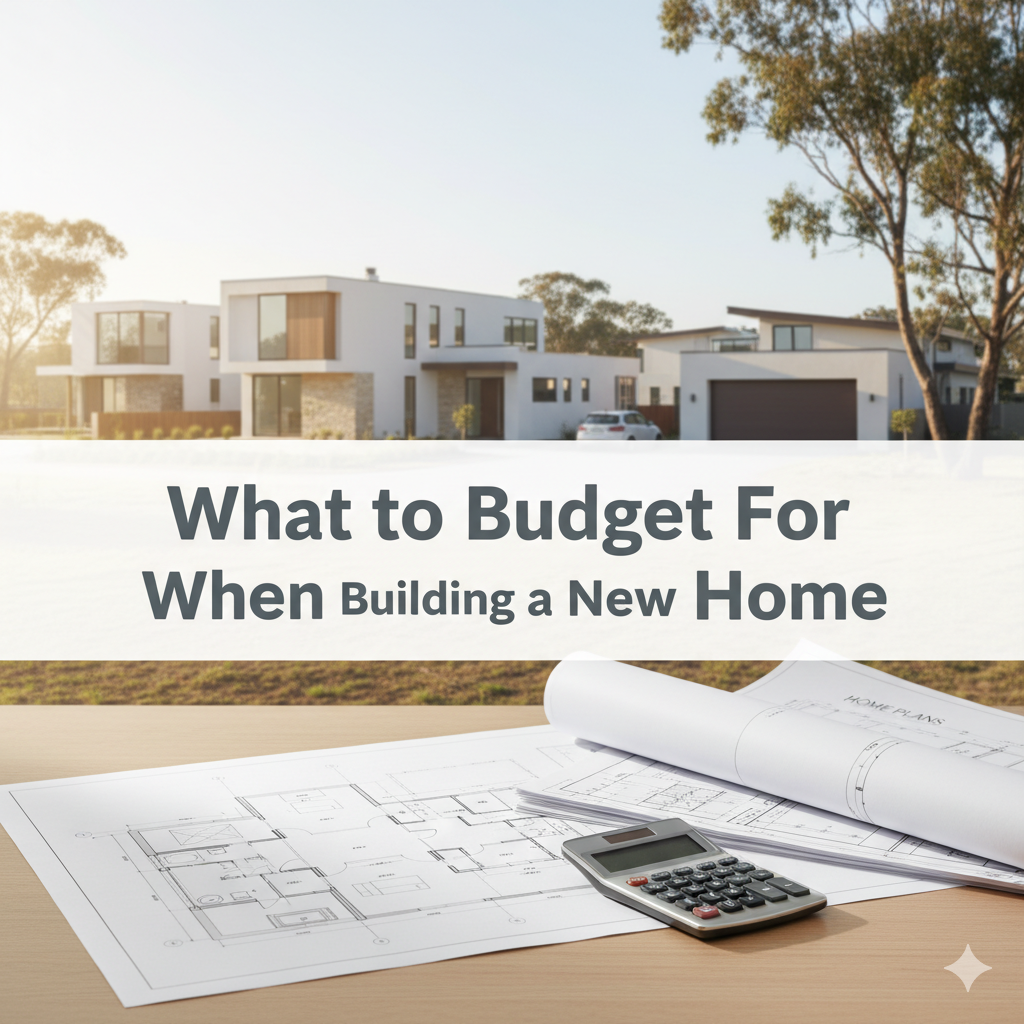
What to Budget For When Building a New Home
6th October 2025
Finance & Budgeting Pre-Construction Legal & Contracts First Home Buyer
Learn how to plan your home building budget the right way with expert tips from Colin Bischof and Darren Brennan. This episode of The Home Building Hub Podcast breaks down the key costs, common mistakes, and smart budgeting steps every Australian home buyer should know before building.
What to Budget For When Building a New Home
When you’re starting your home building journey, one of the biggest challenges is knowing what to budget for. In this episode of The Home Building Hub Podcast, hosts Colin Bischof and Darren Brennan break down the process step by step, helping Australian home buyers understand how to plan their budget effectively before signing a building contract.
Whether you’re a first-home buyer or building your next property, this guide will help you avoid common mistakes and set realistic expectations for your finances.
Why Budgeting Properly Matters
Many people jump straight into visiting display homes or browsing builder websites without understanding what they can actually afford. Colin and Darren highlight that this can cause confusion, wasted time, and unnecessary stress later down the track.
The key is simple: get your finances sorted first, then start exploring options.
The Seven Essential Steps to Planning Your Home Building Budget
1. Start with Finance
-
Speak to a mortgage broker (not just your bank) who specialises in new home construction.
-
Determine your borrowing capacity — know your minimum and maximum loan range.
-
Having a clear figure helps you and your builder work within realistic limits.
2. Educate Yourself
Before shopping for builders or land, spend time learning the process.
-
Listen to podcasts (like this one).
-
Browse builder and developer websites.
-
Research construction terms, finance steps, and land release timelines.
This early education phase helps you understand what’s realistic and what’s just marketing.
3. Start Your Initial Shopping
Once you’ve got some financial clarity and background knowledge:
-
Visit display homes.
-
Explore land estates.
-
Ask questions about inclusions, promotions, and typical pricing.
This stage is about understanding the market, not committing to a purchase.
4. Build Your Basic Budget
Now that you’ve seen what’s available, create a simple budget template. Include rough estimates for:
-
Land price
-
House construction
-
Site costs
-
Upgrades and colour selections
Play with the numbers to see what combinations of house and land fit your total budget.
5. Move to Phase Two Shopping
After building your initial budget:
-
Approach two or three builder consultants you feel comfortable with.
-
Be open about your budget range.
-
Provide a list of your needs (must-haves) and wants (nice-to-haves).
This transparency helps your consultant prepare accurate quotes that meet your expectations.
6. Fine-Tune Your Budget
Compare the information and pricing you receive. Adjust your budget to reflect:
-
Updated quotes
-
Site costs
-
Any new inclusions or optional extras
Avoid comparing single items (like a dishwasher or tapware) — instead, compare the full quote, including everything you’ll need.
7. Compare Quotes Properly
When you’ve gathered a few detailed quotes:
-
Look at both inclusions and exclusions.
-
Check for items like fencing, landscaping, blinds, or a driveway — they may or may not be included.
-
Let your builder consultant help you make an “apples to apples” comparison.
This step ensures you’re comparing realistic total costs, not just the cheapest headline price.
What to Include in Your Home Building Budget
Colin and Darren also share a comprehensive checklist to help you map out your total costs:
Core Costs
-
Land price – check different estates and locations.
-
House price – allow for the full finished price, not just the base quote.
-
Stamp duty – varies by state and whether you’re a first-home buyer.
-
Conveyancing and legal fees – for both land and contract reviews.
-
Settlement and transfer fees – from banks and councils.
Site and Construction-Related Costs
-
Site works and provisional sums (e.g. rock removal).
-
Utility connections – power, water, gas, NBN.
-
Fencing and landscaping – if not included in your contract.
Post-Construction and Lifestyle Costs
-
Appliances and furniture – especially for first-home buyers.
-
Insurance – home and contents once you move in.
-
Council rates and maintenance costs.
-
Contingency fund – set aside at least 5–10% for unexpected expenses.
As Colin calls it, think of this as your “hit-the-fan fund” — money you’ll be glad to have when surprises pop up.
Avoiding Budget Blowouts
Darren points out that even the best plans can unravel if you don’t allow for delays or hidden costs.
-
If your land titles are delayed, you could face additional rent or loan costs.
-
Some developers are more reliable than others — research who you’re buying from.
-
Never spend your full budget. Always leave room for unexpected issues.
Key Takeaways
-
Finance first – never start shopping before understanding your borrowing power.
-
Educate yourself – podcasts and builder websites are great free resources.
-
Be transparent with builders – share your budget and expectations.
-
Include everything – from stamp duty to landscaping to insurance.
-
Keep a contingency fund – unexpected costs are common in new home builds.
Glossary of Terms
Conveyancer: A legal professional who handles property transfer paperwork. Provisional Sum: An estimated allowance in a building contract for items where the cost can’t be determined upfront. Site Costs: Expenses related to preparing your block of land for construction, such as excavation and soil testing. Turnkey: A complete home build where all finishing items (fencing, driveway, blinds, landscaping, etc.) are included. Contingency Fund: Extra money set aside to cover unforeseen costs.
Frequently Asked Questions
Q: Should I tell the builder my budget upfront? Yes. Being open helps your builder consultant provide accurate quotes that suit your goals.
Q: How much contingency should I allow? Generally 5–10% of your total build budget is a good safety net.
Q: What’s the biggest mistake new home buyers make? Shopping for homes before understanding their borrowing capacity or finance approval.
Q: Are all builder quotes the same? No. Each builder includes and excludes different items. Always compare quotes on a like-for-like basis.
Listen to the Full Episode
For a detailed walkthrough and extra insights from Colin and Darren, listen to the full episode here: 👉 Watch or listen on YouTube
About the Home Building Hub Podcast
The Home Building Hub podcast, hosted by industry experts Colin Bischof and Darren Brennan, is Australia’s premier resource for new home buyers. With weekly episodes featuring special guests, the podcast provides objective, high-quality insights into the home building process - completely free and without sales pitches. From understanding financing options to navigating the complexities of building a new home, each episode is packed with actionable advice and tips.
Explore more episodes at http://www.homebuildinghub.com.au and join our growing community of informed home buyers.
Disclaimer
This article was generated by AI based on a transcript of our podcast episode and may contain inaccuracies or omissions. Whilst we’re all about providing value to you, this article should not be considered as legal or financial advice. It contains general information only and is based on the content discussed during the podcast episode. This information is relevant to the episode’s release date and may not be applicable at the time of reading. Always seek independent professional advice tailored to your personal situation before making any legal or financial decisions.